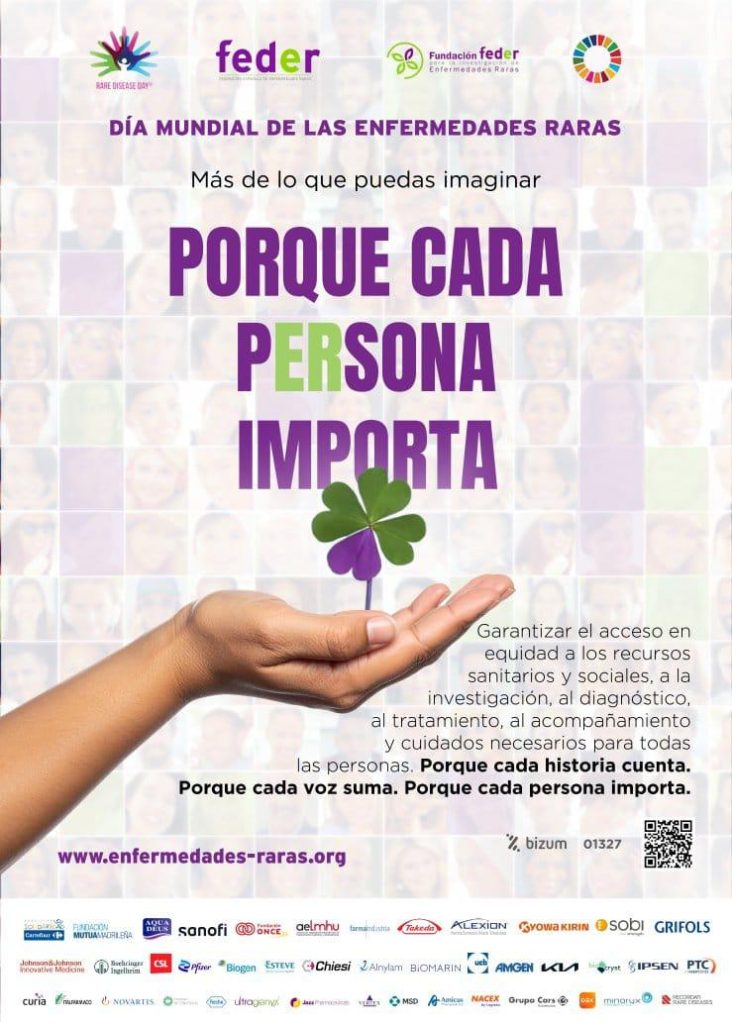
The Confederació Mundial de Penyes del FC Barcelona, through its CSR Subcommittee, joins once again the World Rare Disease Day, commemorated on February 28. The blaugrana entity supports the Spanish Federation for Rare Diseases (FEDER), which once again dedicates this day to raising public awareness and calling for more solutions and resources aimed at people living with these conditions. Under the slogan “Because every pERson matters,” FEDER’s campaign this year focuses on the need to guarantee equity for these patients in accessing social and healthcare resources, including research, diagnosis, treatment, and therapies.
Commitment led by PB Totana
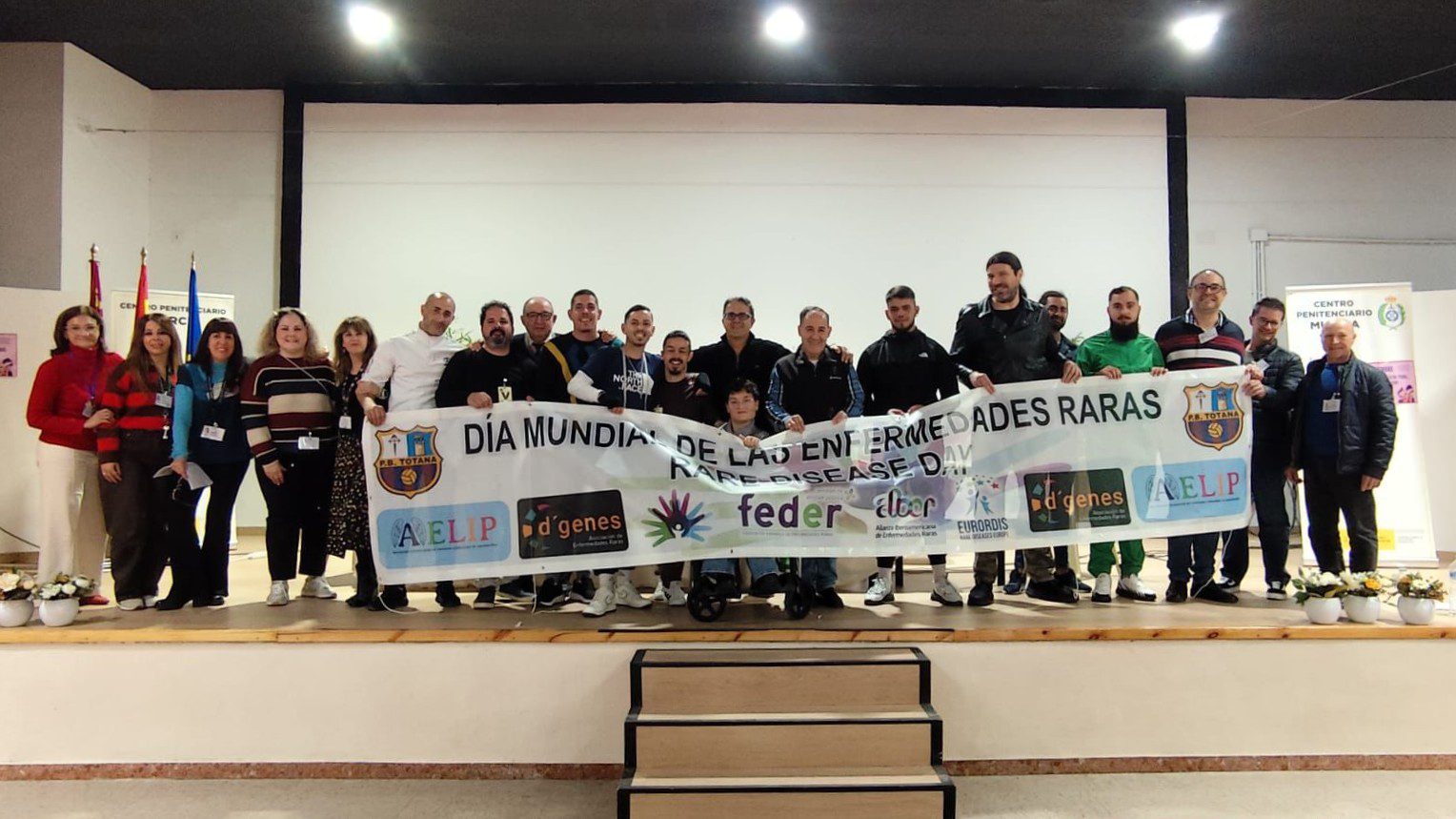
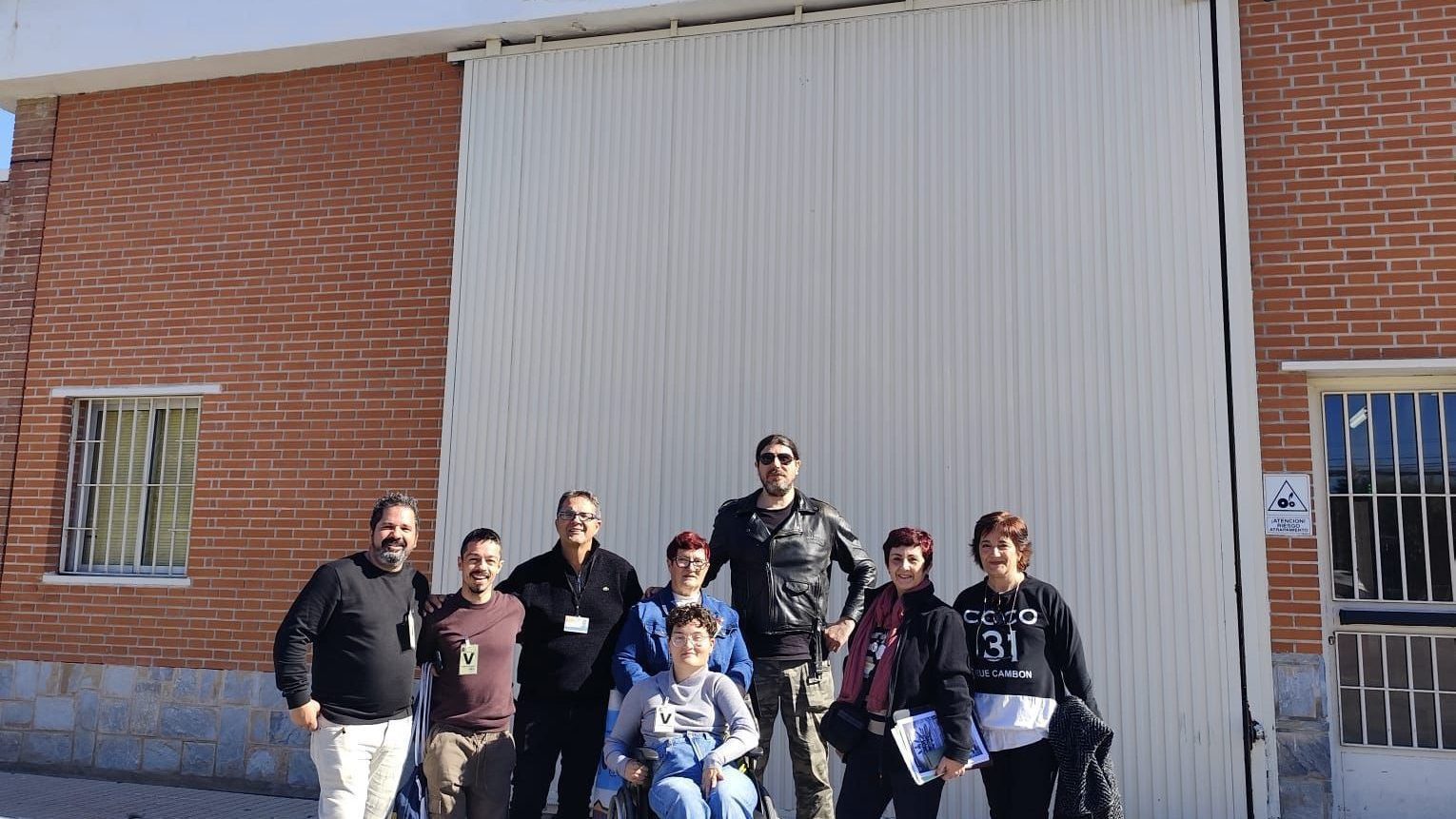
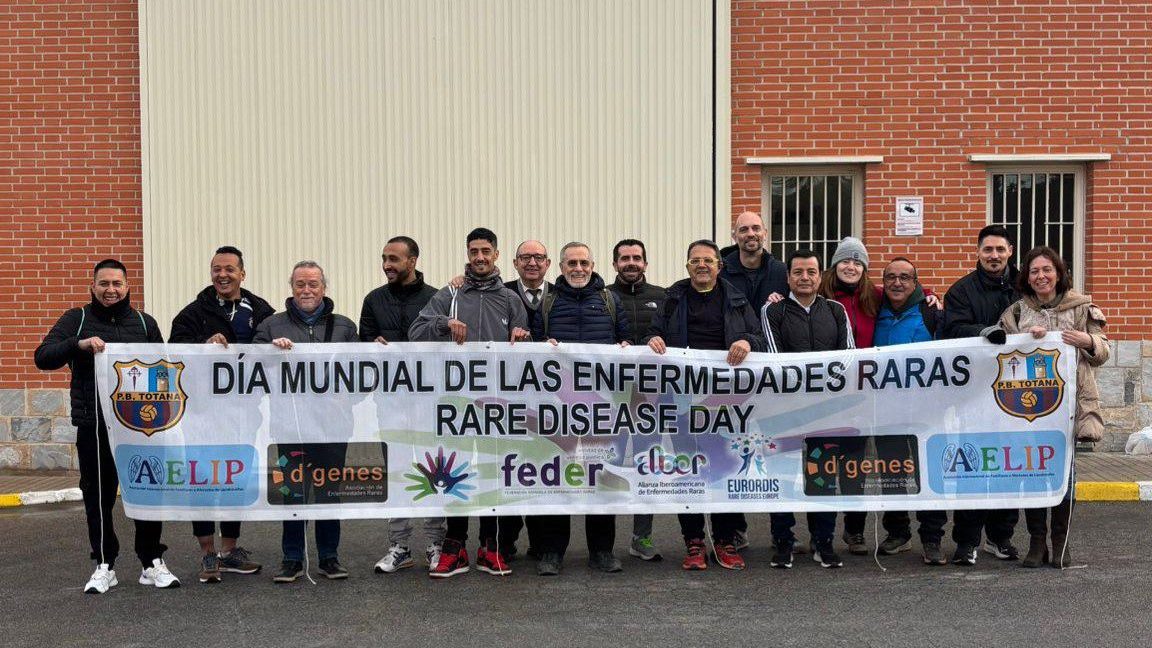
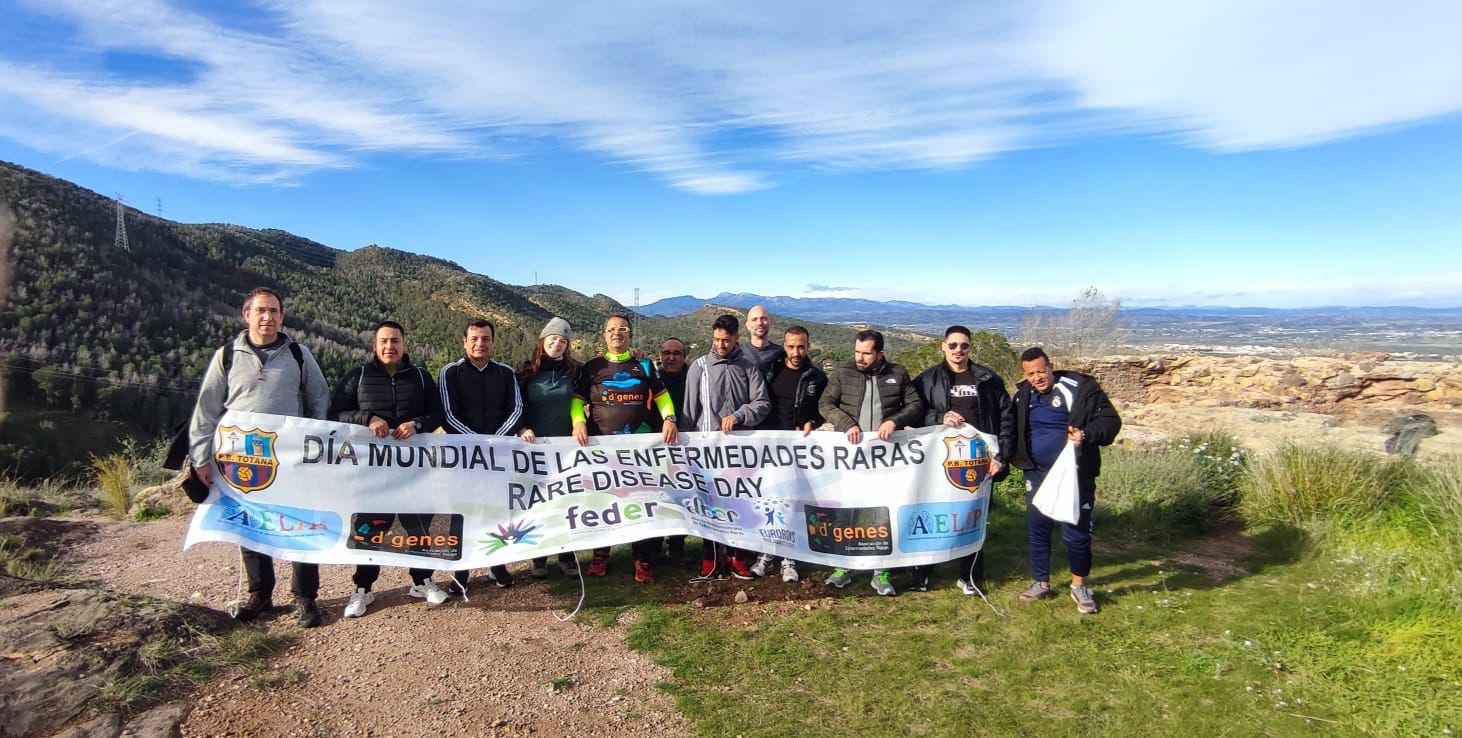
Within the Barça penyes movement, the commitment to rare diseases is championed by the Peña Barcelonista de Totana, chaired by Juan Carrión, who is also president of the Federación de Peñas Barcelonistas de Murcia and of FEDER itself. A large part of PB Totana’s initiatives take place at Murcia I Penitentiary Centre, the only one in Spain where inmates are educated and sensitized about rare diseases.
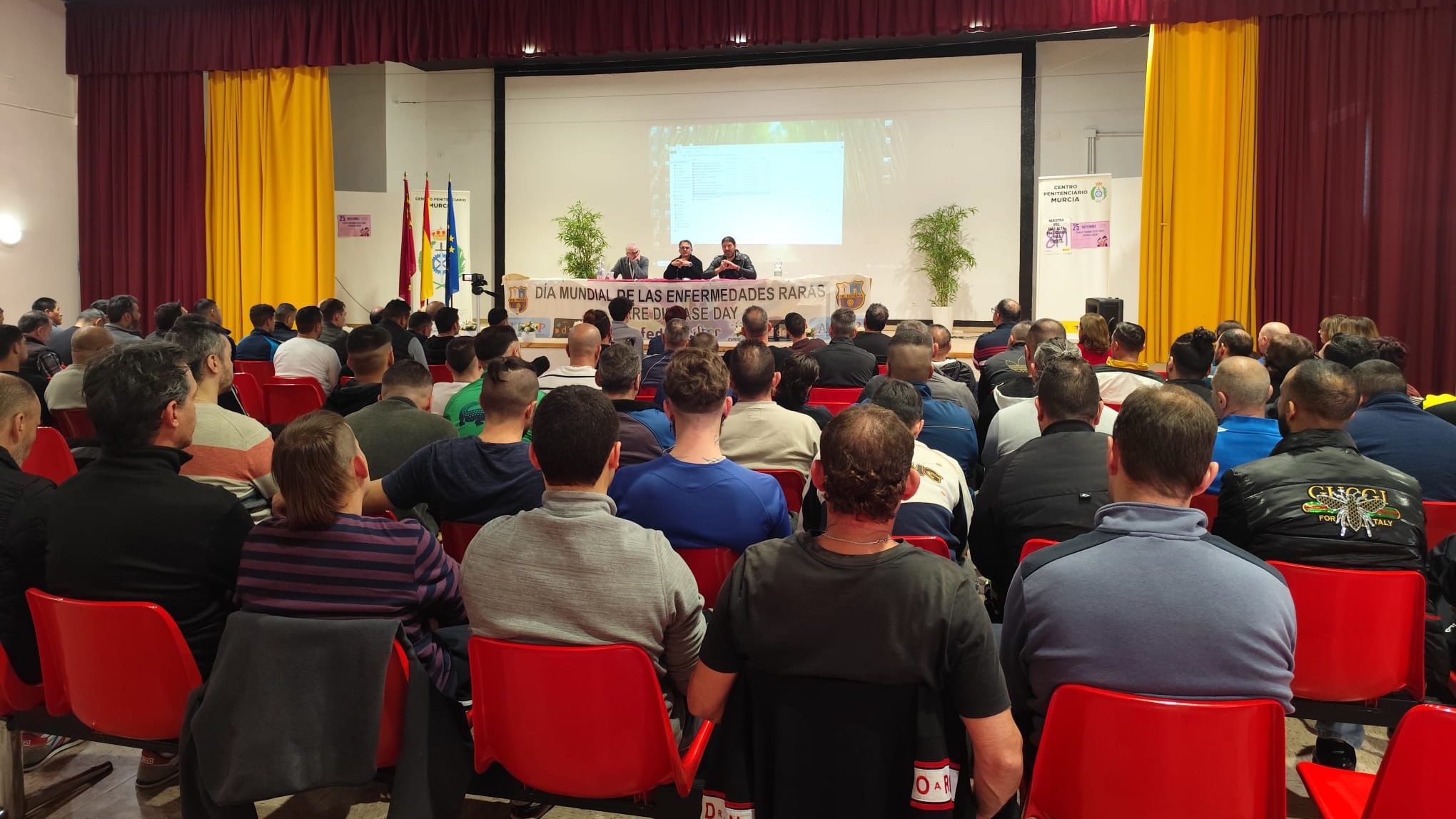
One of the most recent examples is the 3rd Awareness Day on Rare Diseases, attended by more than 130 inmates from the centre. They learned about the work of various organizations in the sector and listened to testimonies from three people living with a rare disease. The event, supported by teachers from the García Alix Adult Education Centre, conveyed values such as strength, resilience and the essential role of families and caregivers. Previously, PB Totana had also organized a scheduled outing with inmates to raise awareness of rare diseases.
FEDER’s institutional statement
As FEDER highlights in its institutional declaration, minimizing the impact of rare diseases requires support from public institutions in three key areas: promoting research and knowledge of these pathologies; ensuring fast and equitable access to diagnostic tests; and guaranteeing timely and fair access to treatments and therapies. FEDER also stresses the importance of coordination between autonomous communities to ensure access to all these resources, as well as to social support services.
Rare diseases, or low prevalence diseases, are those for which 5 or fewer cases have been diagnosed per 10,000 inhabitants. It is currently estimated that between 6% and 8% of the world’s population lives with these diseases, which represents around 3 million people in Spain. Today, more than half of families affected by rare diseases wait over six years to obtain a diagnosis in Spain. Additionally, only 6% of the more than 6,500 identified rare diseases have an available treatment.