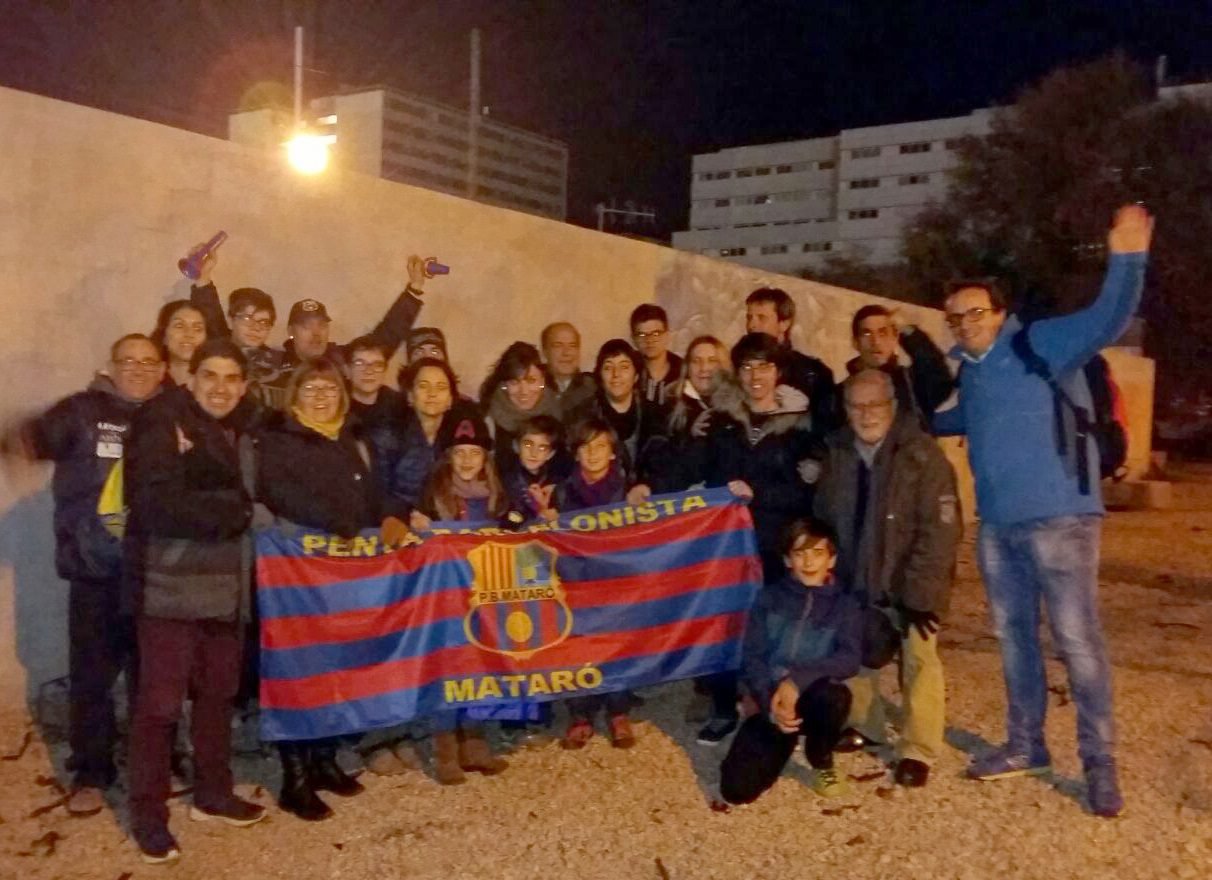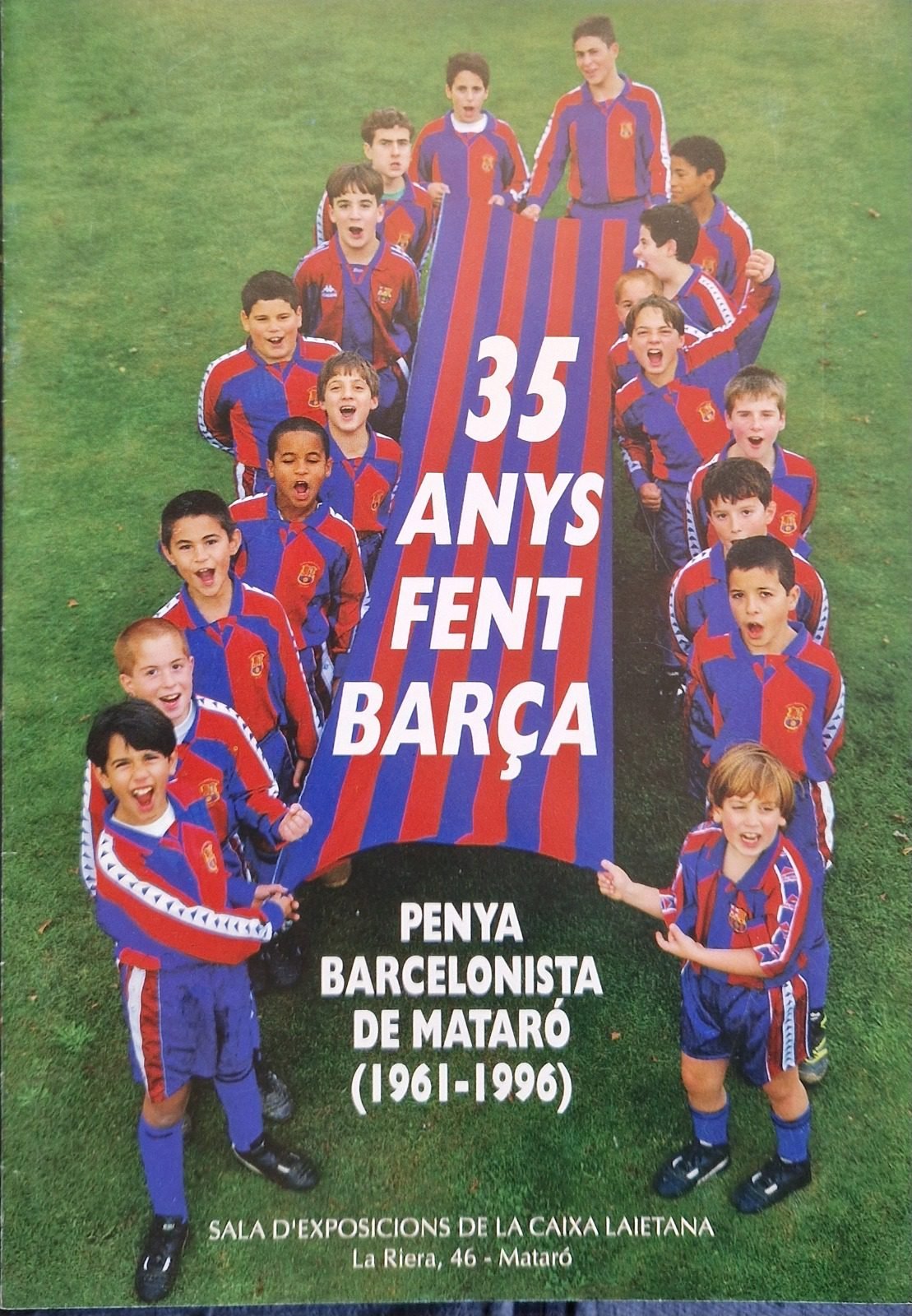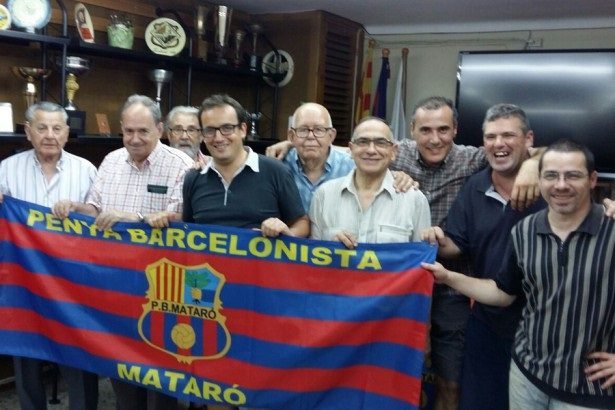
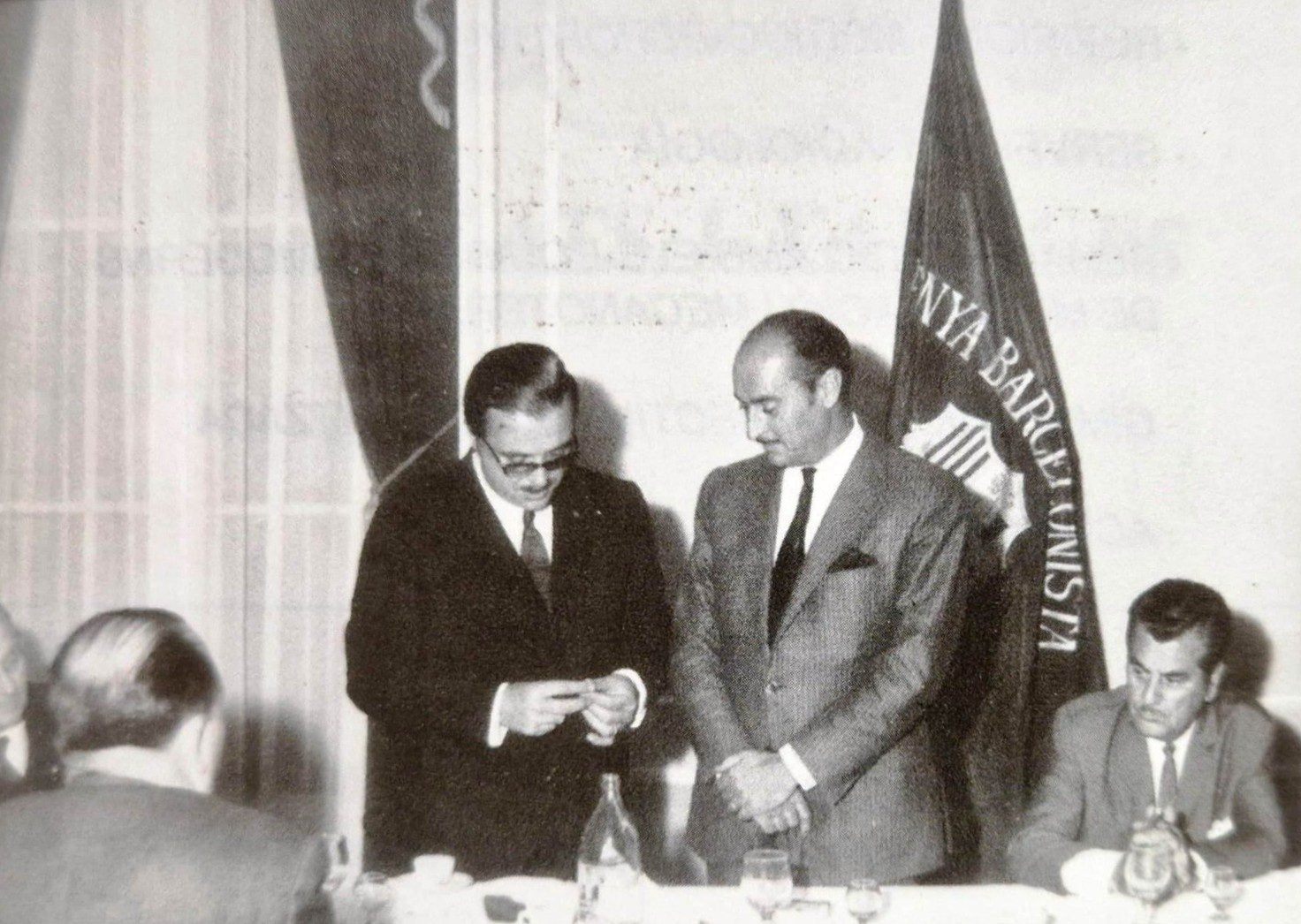
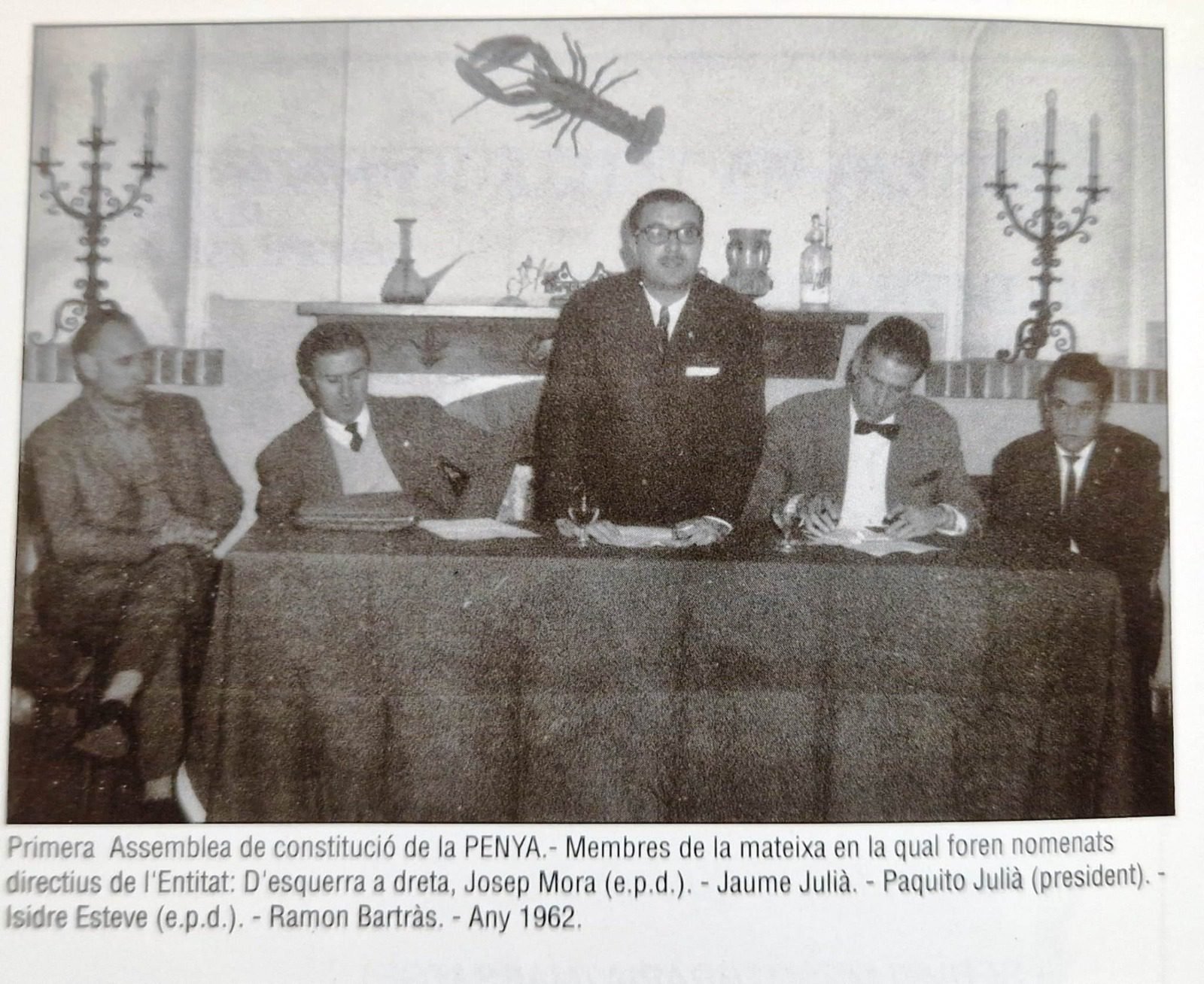
The capital of the Maresme region was one of the first cities to host a Barça supporters’ club. From its foundation to the present day, the Penya Barcelonista de Mataró has had the following presidents: Francisco Julià i Costa, from 1961 to 1984; Francesc Duch i Riera, from 1985 to 1988; Joan Boch i Duc, from 1988 to 2004; Salvador Vilavella de Francisco, from 2004 to 2017; and Ramon Pruna i Rovira, since 2017.
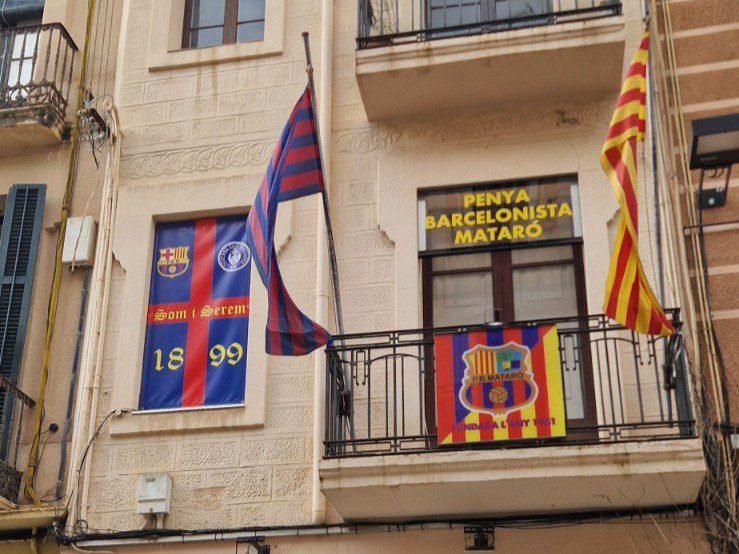
Today, it presents itself as a penya full of activities beyond football: culture, solidarity, and history come together between Barça matches, making it a source for promoting the penya’s history and values as a territorial expression of everything FC Barcelona represents. On February 7, 1984, thanks to contributions from many of our members, what is now its current headquarters was inaugurated, at Carrer d’Argentona, 14, first floor, in Mataró.
The city of Mataró
As Cugat Comas i Soler, journalist and member of the penya, explains, Mataró is the seventh most populous city in Catalonia and serves as the capital of the elongated Maresme region, which runs parallel to the coast. The city is, in fact, a paradigmatic example of the area’s landscape, situated between two streambeds that mark its northern and southern boundaries, facing the sea with a privileged coastline, a port, and five different beaches, as well as a balanced distribution of its municipal area between residential use, woodland with a system of hills and forests surrounding it, and the important agricultural zone from which, more than a century ago, one of the best-known products ever exported from the city was produced: the “Mataró potatoes.”
Mataró is also on the map for other reasons. Historically, above all, for having hosted the first railway in the history of the Iberian Peninsula, which local businessman Miquel Biada promoted in 1848 to connect Mataró and Barcelona along the coast. The current Rodalies line 1 follows practically the same route, and, to the frustration of thousands of users, the journey now takes longer than it did then.
Attractions of the city
Like many other major Catalan cities, Mataró is a city of hardworking people that for years lived almost exclusively from knitwear. Today, the chimneys no longer smoke, but it retains its working-class and popular character, with people of diverse origins living together. In recent years, the city has sought to invest in knowledge through the TecnoCampus university campus and in tourism. Among the heritage sites worth visiting are the Nau Gaudí, the first building by the brilliant Catalan architect; the Chapel of Sorrows, considered the finest example of Catalan Baroque; and the Prison building, the first example of panopticon architecture. There are also examples of Modernisme, since it is the city of Puig i Cadafalch, as well as archaeological remains from Roman Iluro, such as the villa of Torre Llauder.
Mataró is also the city of Les Santes. The major festival that every year, at the end of July, completely transforms the city and the character of its citizens is considered one of the best in Catalonia and takes its name from the original veneration of two saints, Saint Juliana and Saint Semproniana. In their honor, every July 27 an operatic-format mass is sung, with special permission from the Vatican since 1848. Since the democratic restoration, however, the festival has completely reinvented itself, with events attracting thousands of people, such as the Nit Boja on July 25 or the fireworks on the festival’s central day, the 27th, with 50,000 people down by the sea. Les Santes has also established the city’s unofficial anthem: a pasodoble from the Valencian Country called “El Bequetero,” which is danced by crouching down and counting to fifteen.
City of “capgrossos”
Mataró and the Maresme are also an exceptional gastronomic area. Despite the little vineyard that remains, it is land of DO Alella wines, and it is also worth enjoying sweet-fruit treasures such as the strawberries and cherries of the region. In winter, the most recommended traditional dish is cuttlefish with potatoes and peas, and it must be said that nowhere else does it taste quite the same as it does in this region. On the other hand, on October 28 Sant Simó is celebrated, and a saber-shaped pastry ring is traditional. During Les Santes, besides the major festival itself, it is also worth enjoying the Juliana cocktail: sweet, refreshing, alcoholic, and dangerous.
In Mataró they are known as “capgrossos” (big-headed). It may sound somewhat dismissive, but they have ended up turning the nickname into a brand, to the point of presenting themselves that way without any problem, keeping informed through a weekly publication called Capgròs, or having one of the best human-tower groups in the country: the Capgrossos de Mataró. The origin of this nickname has several explanations: it is said that once a boat so large was built that it could not fit through the shipyard gate, and the nickname was born as a mockery. A similar story is also told about a giant with a very large head that could not get out of the workshop where it had been made. Whatever the origin, many people from Mataró accompany this story with the evidence that their skulls are of considerable size—and they show it proudly.